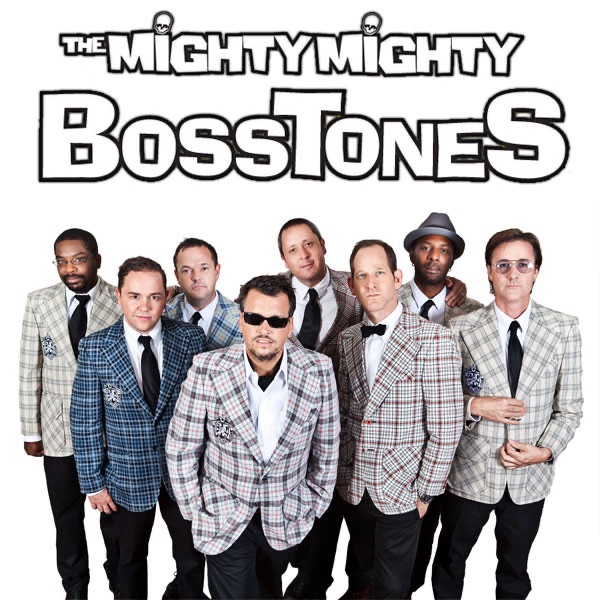
The Boston ska-punk band appears to be inching toward a possible reunion, following recent comments from its former singer suggesting that past conflicts may finally be cooling off. While nothing has been officially announced, the remarks have reopened a conversation that many fans assumed was permanently closed.
The band, which built a strong local and regional following during the height of ska-punk’s late-90s and early-2000s boom, has been dormant for years after internal tensions and public disputes led to a split. At the center of the controversy was the group’s vocalist, whose departure and subsequent fallout effectively froze any chance of future collaboration.
In a recent interview Dicky Barrett, the band’s singer , acknowledged that time and distance have shifted perspectives. While stopping short of confirming a reunion, they expressed openness to reconnecting with former bandmates and revisiting the music that helped define an era of Boston’s punk and ska underground. According to the singer, unresolved issues from the past no longer feel as insurmountable as they once did.
The rest of the band has remained quiet publicly, but sources close to the scene suggest conversations may already be happening behind the scenes. Whether those discussions lead to rehearsals, live shows, or new recordings remains unclear, but even the possibility has sparked renewed interest among longtime fans.
The band’s original run was marked by high-energy shows, sharp horn lines, and politically charged lyrics that placed them firmly within Boston’s vibrant punk ecosystem. Their absence left a noticeable gap in the local ska-punk lineage, making the idea of a return especially significant for the city’s music community.
Reunions in punk have always been complicated. Old wounds, creative differences, and questions of authenticity often stand in the way. Yet history has shown that when enough time passes, perspective changes, and nostalgia intersects with unfinished business, unlikely reunions can happen.
For now, the situation remains unresolved but promising. No dates, no lineup confirmations, and no official statements from the band as a whole. Still, the singer’s willingness to publicly acknowledge the idea marks the most movement the band has seen in years.
Whether this leads to a full reunion or simply closure, the conversation itself is enough to remind fans why the band mattered in the first place — and why their story still resonates within Boston’s punk and ska history.